Trading article archive — page 12

Multi-Decade Yield Highs: The Hidden Tax on Retail Portfolios
Treasury yields have climbed to their highest levels since 2007, sparking a broad equity sell-off. We explain what high yields mean for retail traders and how to hedge your funded account.

Biotech Speculation: Trading the Ebola Emergency Spikes and Fades
The WHO has declared an Ebola emergency, triggering algorithms to spike small-cap biotech stocks. We dissect the anatomy of pandemic speculation and how to trade the fade.

The Nvidia Earnings Playbook: Managing Risk Pre, During, and Post-Print
With consensus expecting a massive 120% growth rate, tonight's Nvidia Q1 print is the most critical event of 2026. We deliver the definitive trading playbook.

Binary Event Trading: Navigating Geopolitical Whipsaws Without Gambling
Trump calls off the Iran attack, sparking massive market relief. We analyze how to manage risk before high-impact binary geopolitical events without turning your account into a roulette wheel.

When One Sector Drives Everything: Reading Concentration Risk in Index Positions
Semiconductor stocks now make up 18% of the S&P 500's market cap, driving over half of the index's year-to-date gains. Let's analyze the concentration risk this poses for portfolios.

The Hidden AI Trade: Why Power Infrastructure is the Real Pick-and-Shovel Play
NextEra's historic $66.8B acquisition of Dominion Energy confirms the ultimate AI pick-and-shovel trade: power infrastructure. Here's why data center energy demand is reshaping macro markets.

Pre-IPO Stock Splits: What They Signal and How to Trade the Listing Week
SpaceX's confirmed 5-for-1 stock split adjusts share price to $105.32 and values the company at $1.75T. Let's analyze what pre-IPO stock splits signal to secondary markets.

Leverage and Liquidation Cascades: What Crypto Teaches Prop Firm Traders
Bitcoin's $500M overnight long liquidation cascade offers critical lessons for prop firm traders. Learn how leverage cascades work and how to insulate your funded account.

How to Survive Headline-Driven Markets: Why Reacting to Every Post Loses Money
Monday's market was whipsawed by erratic Iran headline risk. Learn the psychology of headline-driven markets and why reacting to every post is a guaranteed way to lose capital.

Nvidia's 4 Consecutive Earnings Beats: How to Trade a Beat-and-Raise Cycle
Nvidia has beaten consensus EPS estimates for four straight quarters. We break down the entry timing mechanics, the 'raise' signal, and how to position before and after May 20 earnings.

BlackRock's 'No Inconsistency': Why Markets Can Rally During a War — The AI Offset Thesis
BlackRock's Investment Institute says U.S. stocks hitting all-time highs with Hormuz closed is not a contradiction. Here's the data-driven framework behind their pro-risk stance.

Sentiment vs. Spending: Why UMich and Walmart Tell Different Stories About the American Consumer
University of Michigan consumer sentiment sits near record lows. Yet Americans are still shopping. Walmart earnings this week will settle a debate that has split Wall Street for three months.

SpaceX S-1 This Week: The IPO Effect on Index Flows and What Traders Need to Know Before SPCX Lists
The SpaceX prospectus drops as early as May 22. With a $1.75–$2 trillion target valuation and xAI embedded, this is not just an IPO — it is the largest index rebalancing event in Nasdaq history.

Chasing the 7th Week: Why Late-Trend FOMO Is the Most Dangerous Trade You'll Make
The S&P 500 just completed its 7th consecutive green week — elite territory statistically. Here's the behavioral finance case for why entering a trend in week 7 is structurally different from entering in week 2.

Bitcoin as a Liquidity Barometer: Using Crypto to Read Risk-Off Signals in Forex
Bitcoin's 3% slide back under $80,000 isn't just about crypto—it's a leading indicator for global liquidity and yield-driven risk-off sentiment.

7 Consecutive Green Weeks: How to Read a Bull Market That Ignores Bad Data
Despite war jitters and rising oil, the S&P 500 is on its longest winning streak since 2023. Here's how to trade the psychological divergence.

The Hormuz Trader's Playbook: Positioning for Ceasefire vs Escalation Binary
With a 14-point Iranian proposal on the table and ship seizures in the Strait, oil markets are at a knife's edge. Here is your weekend strategy.

SpaceX IPO S-1: How Mega-Cap IPOs Distort Index Flows and What Traders Should Expect
With the SpaceX prospectus imminent and a $2 trillion valuation target, the Nasdaq's 'Fast Entry' rule is set to trigger massive rebalancing.

Trading Like the President: Overtrading, FOMO and the Cost of Chasing Headlines
Donald Trump's 3,600 trades in Q1 highlight a common retail trap: the belief that proximity to news requires constant execution.

The Warsh Pivot & Geopolitical Binary: A Week of High-Stakes Diplomacy
May 2026 Week 2 Recap: Kevin Warsh takes the Fed helm, Trump and Xi negotiate energy stability, and the SpaceX IPO S-1 filing resets mega-cap expectations amidst sticky inflation.

The Essential Indicator Stack: What Actually Works for Prop Firm Challenges in 2026
Most indicators are lagging, reactive, and noisy. For a prop firm challenge, you need data that identifies institutional intent and real-time volatility. We break down the only 4 indicators you actually need.

BTC as a liquidity barometer — reading crypto to time risk-off in forex
Bitcoin fell nearly 3% today as yields spiked. Here is why traders use BTC as a high-beta liquidity barometer to time risk-off shifts in the FX markets.
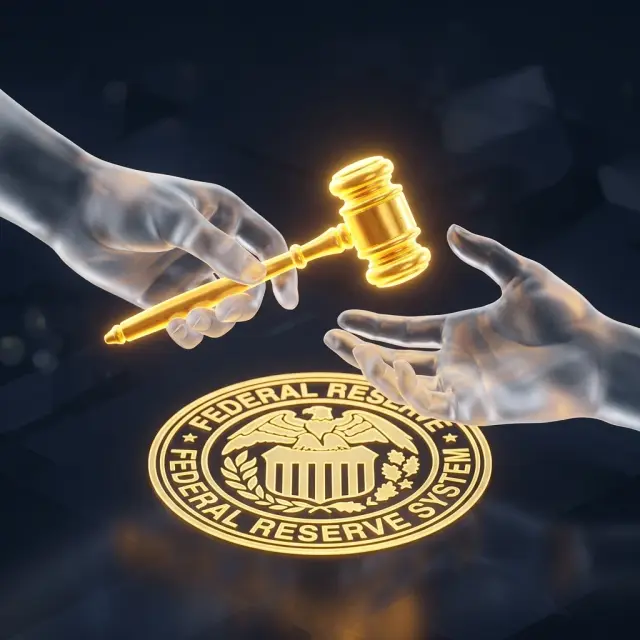
New Fed Chair, old problem — how Warsh inherits an impossible position
Kevin Warsh takes over as Fed Chair on Jerome Powell's last day. With 45% rate hike odds and a yield spike, the honeymoon period is officially over before it began.

How rising rate hike probability changes prop firm challenge strategy
Fed rate hike odds have jumped to 45% in a single month. For prop firm traders, this shift in the interest rate regime requires a total overhaul of risk parameters.
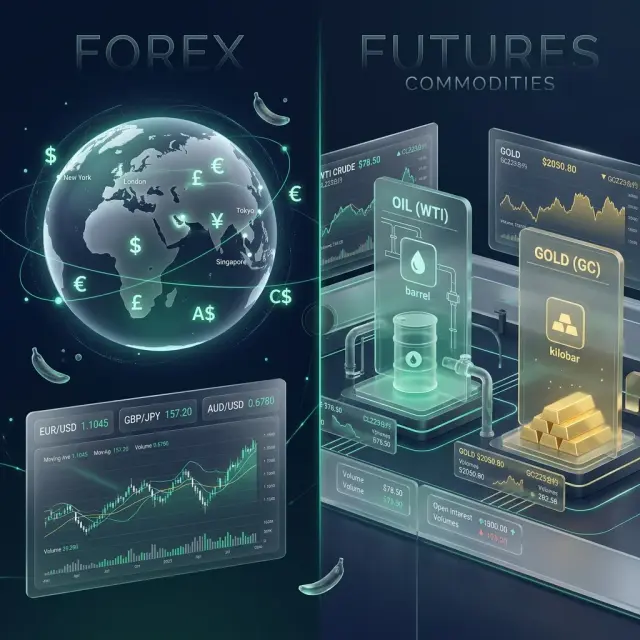
Forex vs. Futures: Which Market is Best for Prop Firm Trading in 2026?
Choosing between the decentralized Forex market and the centralized Futures exchange is the most important decision a trader makes. We break down the math, liquidity, and prop firm requirements of both.

What 'no deal' summits actually mean for oil markets — the trader's framework
The Trump-Xi summit ended with no major trade breakthroughs, but a surprise 'oil twist' sent Brent crude above $107. Here is the framework for trading geopolitical summits.

When consumers panic but markets don't (yet) — the divergence traders should track
The University of Michigan Consumer Sentiment dropped to a record low of 48.2 today. Here is why traders need to watch the divergence between Main Street and Wall Street.

How to read PPI breakdowns: goods vs services — why traders miss the real signal
The U.S. Producer Price Index rose 1.4% in April 2026, driven significantly by services. Here is why the breakdown matters more than the headline number.

Powell out, Warsh in — does the Fed pivot narrative survive hot CPI + PPI?
Kevin Warsh's confirmation as the new Fed Chair arrives alongside back-to-back inflation shocks, complicating the narrative for a dovish policy pivot.

First Hormuz transit in months — what it means for oil, inflation & risk sentiment
A Chinese supertanker has successfully exited the Strait of Hormuz after a two-month blockade, signaling a potential shift in oil war premiums.
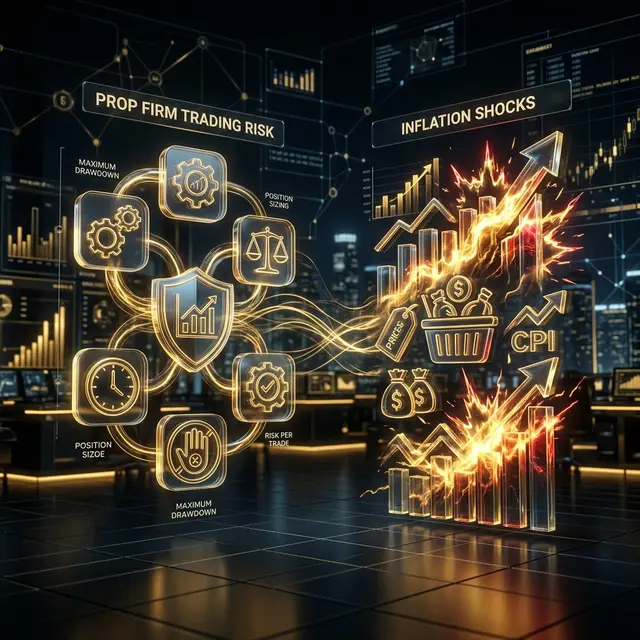
How back-to-back inflation shocks change prop firm risk parameters
With the market-implied probability of a rate hike jumping to 39%, funded traders must adapt their risk models to survive rapid volatility shifts.
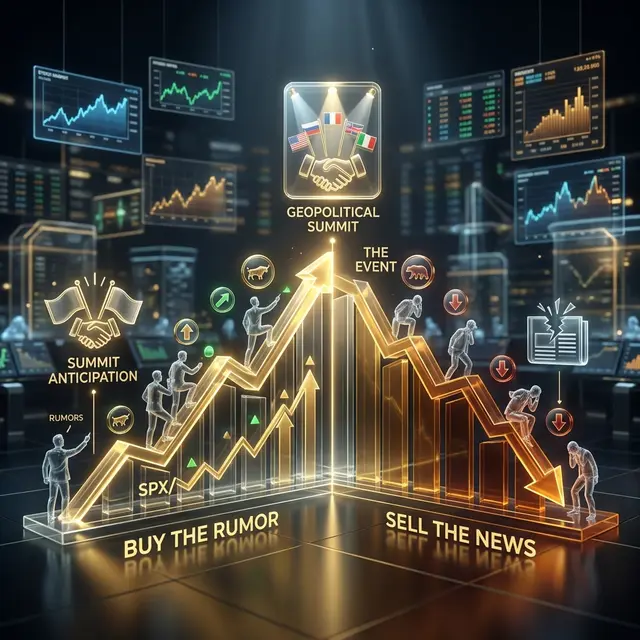
Trading the 'buy the rumour, sell the news' pattern on geopolitical summits
The Trump-Xi summit concluded its first day with a status quo statement, highlighting the psychological trap of trading high-stakes geopolitical events.

Analytics: Tracking the Yen's Quiet Dominance in the Asia Session
A data-driven look at session-by-session currency strength, highlighting the Japanese Yen's outperformance against the Australian Dollar.

The Powell Era Ends: What a Warsh Fed Means for Rate Expectations
As Kevin Warsh prepares to succeed Jerome Powell, markets must recalibrate their long-term rate expectations amidst sticky inflation and hawkish dissent.

Energy as Sticky Inflation: Iran Rebuilds Hormuz Missile Sites
US intelligence reports indicate Iran has restored access to 30 missile sites along the Strait of Hormuz, cementing energy as the primary driver of sticky global inflation.