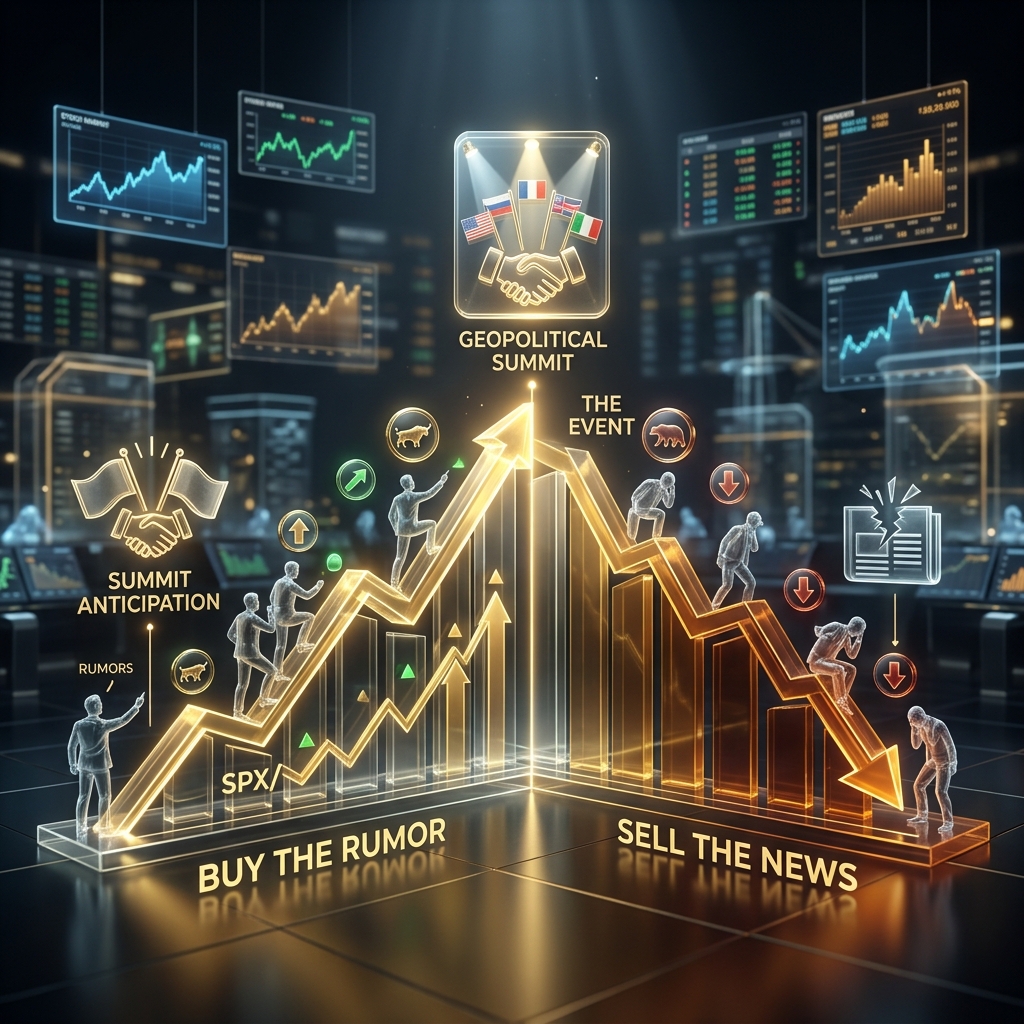
High-stakes geopolitical events like the ongoing Trump-Xi summit represent some of the most potent psychological traps in modern trading. The buildup to these meetings generates massive speculative friction, fueled by leaks, analyst predictions, and the innate human desire to be positioned ahead of a "historic" announcement. However, as Day 1 of the summit concluded with a joint statement reflecting a very clear status quo, the classic "buy the rumor, sell the news" dynamic was fully exposed.
The joint statement notably lacked any mention of Taiwan and offered only a generalized agreement on the Strait of Hormuz—far from the massive economic breakthrough or confrontational escalation many traders had positioned themselves for. The psychological fallout for traders who over-leveraged based on a presumed outcome is a textbook study in expectation management.
The FOMO Trap: Geopolitical summits trigger severe Fear Of Missing Out. Traders convince themselves they have a "read" on the political subtext and size their positions aggressively, confusing their political opinions with probabilistic trading edge. When the outcome is a tepid status quo, the rapid unwinding of these speculative positions creates erratic, untradeable chop.
The Psychology of the Status Quo
Why is the "buy the rumor, sell the news" pattern so prevalent during summits? Because markets price in extremes faster than reality can deliver them. When the rumor is circulating, imagination is the only limit to asset pricing. When the actual news is delivered—often heavily negotiated, watered-down diplomatic speak—reality rarely matches the speculative premium built into the charts.
Behavioral Adjustments for Traders:
- Acknowledge the Information Disadvantage: You do not possess edge on closed-door meetings between heads of state. Accepting this is the first step to avoiding disastrous geopolitical trades.
- Trade the Reaction, Not the Event: Instead of guessing the outcome, wait for the actual announcement. The real opportunity lies in fading the emotional overreactions of other traders once the true, often mundane, nature of the news is digested by the broader market.
- Monitor Your "Conviction" Levels: If you find yourself holding a large position simply because you "feel" a leader will say something specific, you are no longer trading; you are gambling on diplomacy. Use your Toastlytics journal to tag and eliminate these trades.
Original Analysis. Master your internal psychology before attempting to trade external geopolitical events.