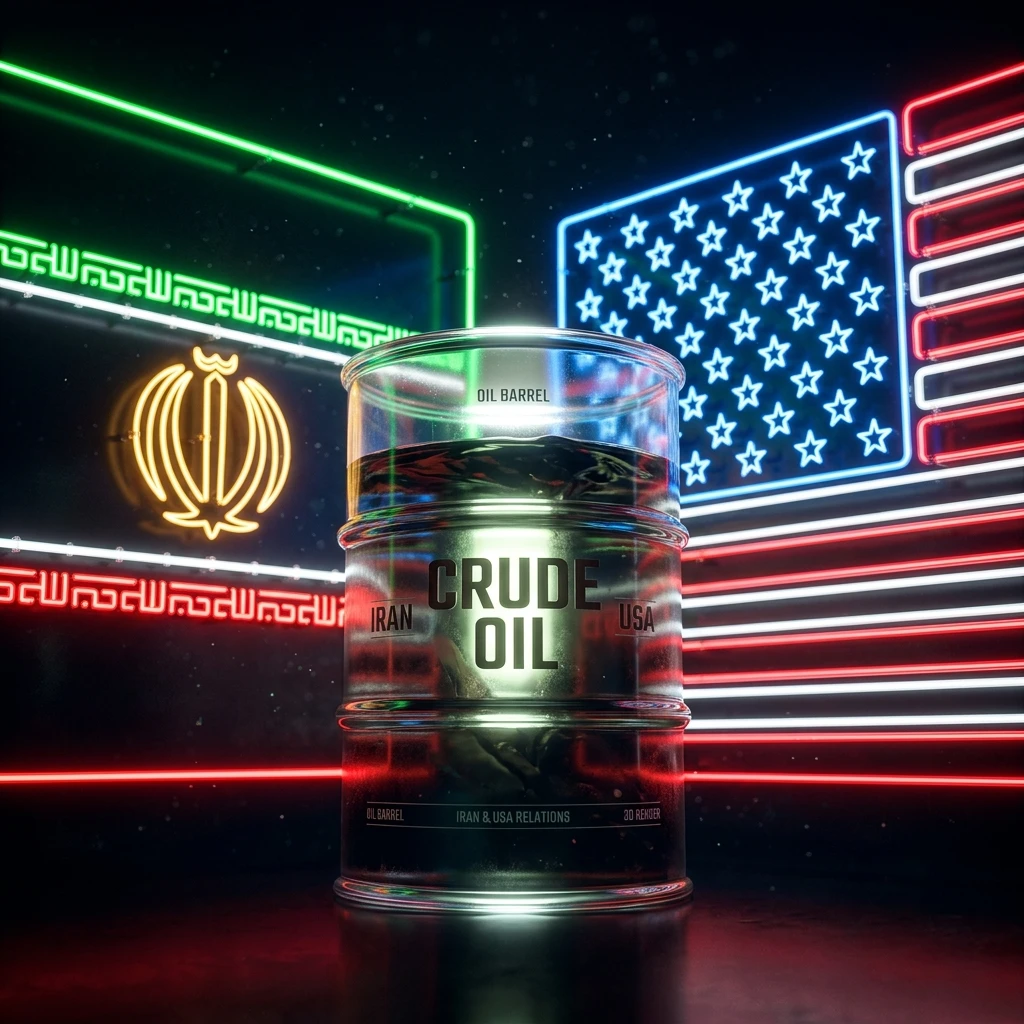
For months, the global markets have been held hostage by the threat of escalation in the Middle East. The “Hormuz Premium” has kept crude oil prices artificially inflated, supported the US Dollar’s safe-haven status, and forced central banks to maintain hawkish stances against the threat of energy-driven inflation.
Now, whispers of a comprehensive Iran Peace Deal are growing louder, culminating in high-stakes summits. For traders, a geopolitical de-escalation sounds like good news. But in the markets, peace is a double-edged sword that will trigger massive, violent re-pricing across asset classes.
The Immediate Impact: The Oil Unwind
The most direct and immediate casualty of a signed peace deal will be the energy markets. Crude oil has been pricing in a significant risk of supply disruption through the Strait of Hormuz. If that threat is neutralized, the risk premium will evaporate overnight.
- The Crude Collapse: Traders should anticipate a sharp, immediate gap down in WTI and Brent crude. This is not a slow trend reversal; it is a fundamental re-pricing.
- The Petro-Currency Fallout: Currencies heavily correlated with oil exports, such as the Canadian Dollar (CAD) and Norwegian Krone (NOK), will face immediate selling pressure as their primary fundamental driver weakens.
The Secondary Shockwave: Central Bank Pivots
The higher-order effect of a peace deal is its impact on global inflation. If oil prices crash and stabilize at lower levels, the persistent threat of supply-side inflation diminishes significantly.
This changes the math for central banks.
- The Fed’s Breathing Room: While Kevin Warsh’s Fed remains focused on sticky services inflation, a collapse in energy prices provides political and economic breathing room. It reduces the necessity for extreme hawkishness.
- The ECB and BOE Green Light: For central banks already desperate to cut rates to save stalling economies (like the ECB), a drop in energy-driven inflation provides the green light to initiate aggressive easing cycles.
Trading the De-escalation Binary
A peace deal is a binary event—it either happens, or it doesn’t. Trading a binary event requires a specific playbook.
- Avoid the Choke Point: Do not hold highly leveraged, un-hedged positions in crude oil or CAD-crosses heading into major summit announcements. The gap risk is immense and can blow a prop firm account in seconds.
- Play the Reversal: If a deal is announced and oil crashes, look for opportunities to buy the dip in risk assets (like the S&P 500) that have been suppressed by the fear of energy shocks and higher rates.
- The Safe-Haven Drain: Expect an unwind in safe-haven assets. Gold and the Swiss Franc (CHF) may face heavy selling pressure as the geopolitical fear premium is removed from the market.
The Psychological Trap
The biggest danger for traders during a de-escalation event is cognitive dissonance. You may have spent months conditioned to buy oil dips and hold safe havens. When the fundamental narrative changes overnight, your strategy must change with it.
Relying on emotion tracking tools, like Toastlytics’ AI Coach, is critical during these transitional phases to ensure you aren’t revenge trading against a newly established macro trend.