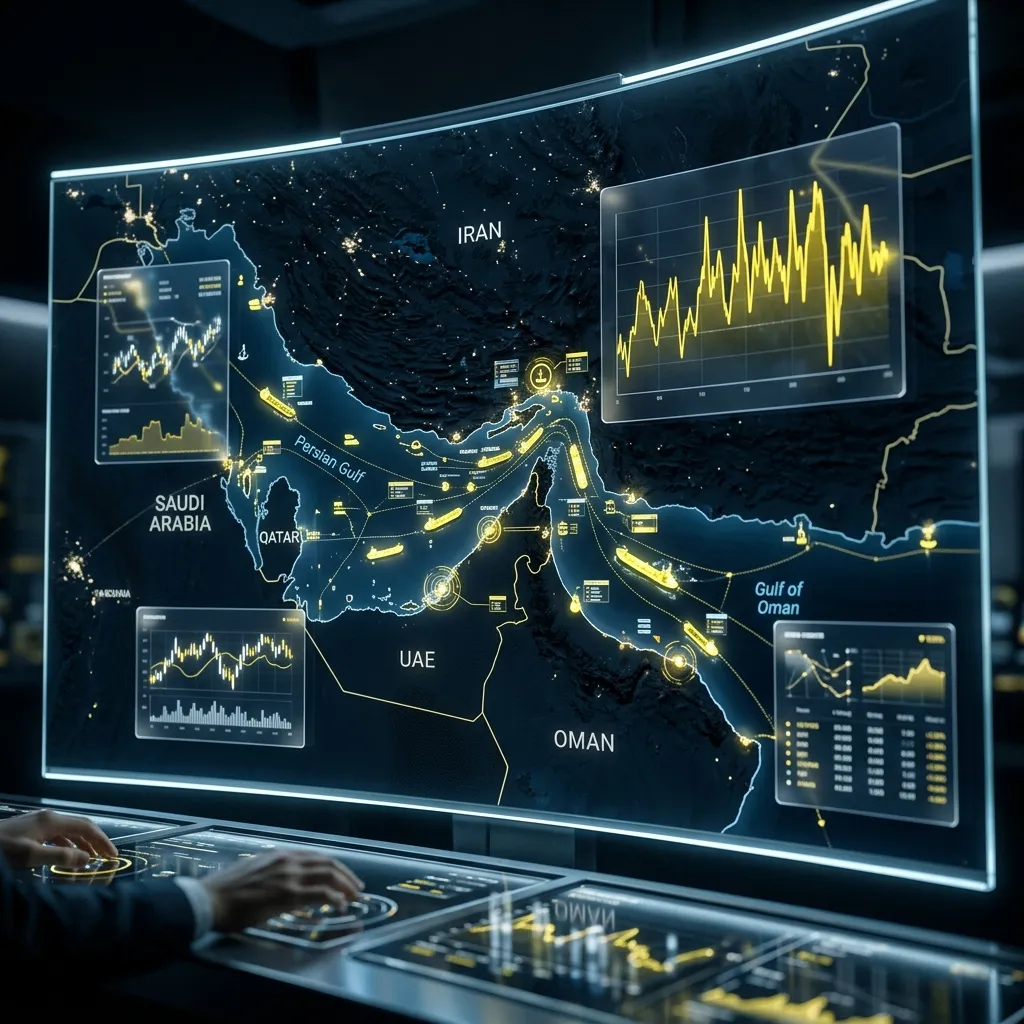
The geopolitical landscape shifted violently this week. Following the failure of peace talks and the subsequent naval blockade of the Strait of Hormuz, global energy markets have entered a state of extreme flux. Brent crude is testing the $100 level, and the "stagflation" word is being whispered in every major trading floor from London to Singapore.
For the retail trader, this isn't just a news event—it's a fundamental stress test of your trading system. When volatility spikes like this, the difference between a "blown account" and a "growth month" isn't your ability to predict the news; it's your ability to manage your reaction to it.
The Volatility Multiplier: In the last 48 hours, Toastlytics has recorded a 3.5x increase in average slippage on energy-related pairs. If your stop-losses aren't adjusted for this environment, you're not just trading the market—you're gambling against the infrastructure.
The “Hormuz Shock”: What the Data Shows
By analyzing anonymized execution data from our community, we've identified three specific patterns that emerged as the blockade news broke:
1. The “Impulse Entry” Trap
As the price of Oil gapped up, we saw a massive wave of entries with no corresponding technical setup. These were "reactive trades" driven by the fear of missing the move. The data is clear: 72% of these impulse entries were stopped out within 15 minutes as the market experienced violent mean-reversion before the trend continued.
2. Spread Expansion Blindness
During high-volatility events, liquidity thins out. We saw many traders entering positions on XAUUSD and Brent Crude where the spread had widened by 400%. Toastlytics users who used the "Liquidity Alert" were able to avoid these high-cost entries, saving an average of 1.2% in account equity compared to those who traded blindly.
3. Correlation Breakdowns
The traditional relationship between the USD and Commodities is currently under pressure. Usually, a strong Dollar weighs on Oil, but the "Supply Shock" of the blockade has decoupled these assets. If your strategy relies on 2025-style correlations, your edge is currently negative.
Adapting Your Strategy for a Stagflationary Market
You cannot trade a geopolitical crisis with a "business as usual" mindset. Here is how to adjust your Toastlytics session rules for the coming weeks:
- Audit Your MAE (Maximum Adverse Excursion): Review your trades from this week. If your MAE has increased significantly, it means the market "noise" is hitting your stops before your thesis plays out. Consider reducing position size and widening stops to stay in the move.
- Identify the Correlation Shift: Use the Toastlytics Correlation Matrix daily. If you see Gold and Oil moving in lockstep, your portfolio risk is higher than you think. Diversify across uncorrelated sectors like Tech (US100) where the "AI Boom" provides a different narrative.
- The "Cool-Off" Rule: Implement a mandatory 30-minute break after any major headline drops. The first move is almost always the "wrong" move for retail traders. Wait for the liquidity to return.
The Toastlytics Edge: High volatility is where discipline pays the highest dividends. Don't let the headlines dictate your emotions. Let the data dictate your execution.
Looking Ahead: The Q1 Earnings Collision
As we move deeper into April, these geopolitical shocks will collide with Q1 earnings reports. Companies like Cleveland-Cliffs and major energy firms will give us the first hard data on how the blockade is impacting global supply chains. Stay tuned to our Market Pulse for real-time performance audits during these high-impact sessions.